


About Tōka-an
About Tōka-an
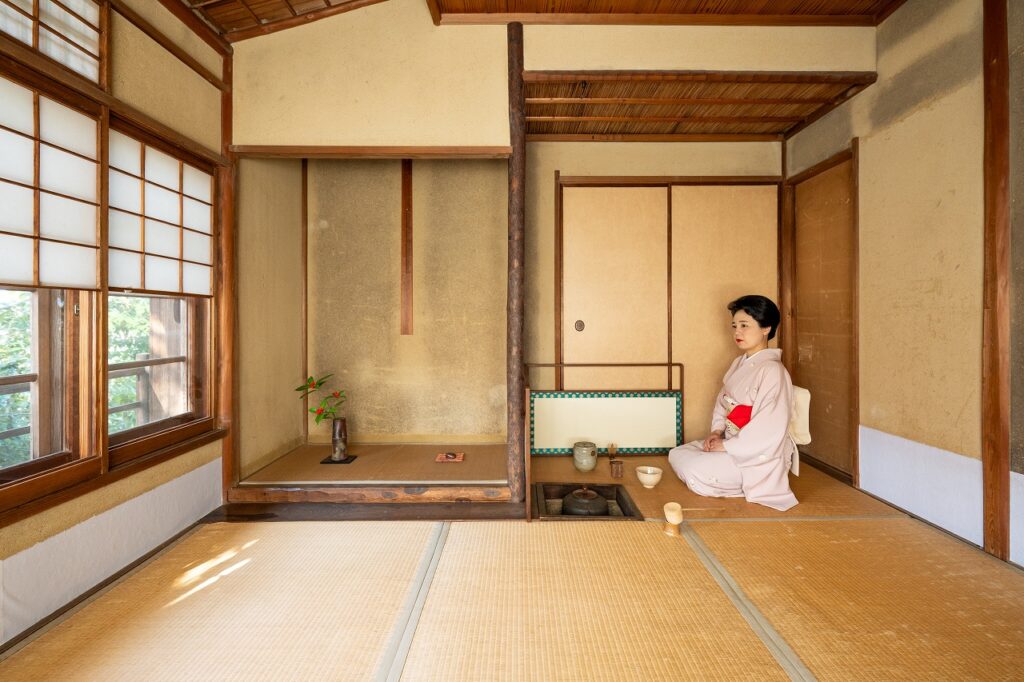
Tōka-an is a quiet space in Uji where guests can discover the depth of Japanese culture through tea, kimono, and more.
Here, we place great importance on experiencing the atmosphere and feeling of Japanese culture through the body itself.
To wear a kimono, hold a tea bowl, breathe in the scent of matcha, and savor a moment of stillness — it is our hope that through these experiences, guests come away having touched something of the true depth of Japanese culture.
We hope Tōka-an can serve as a small doorway into the unhurried world of Uji and the depth of Japanese culture.
Feature 01: Uji Matcha
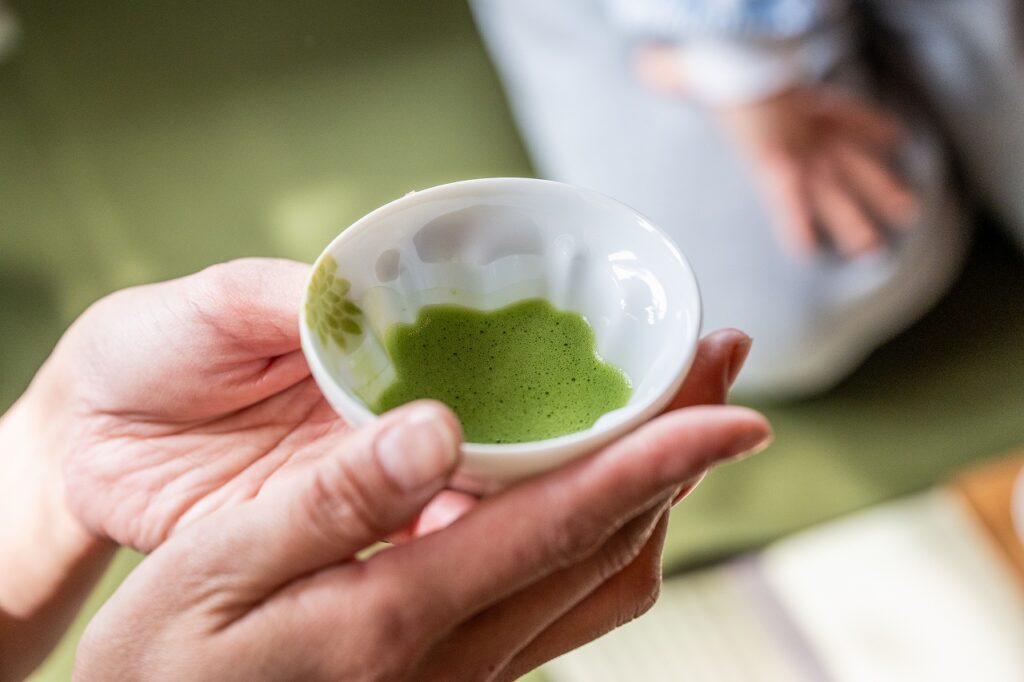
Uji has a long history as the heart of Japan’s matcha culture. It was the Zen monk Eisai who first brought tea seeds to Japan during the Kamakura period, and from there, tea cultivation gradually took root in Uji.
During the Muromachi period, Shogun Ashikaga Yoshimitsu extended his protection to Uji tea, and its quality came to be held in the highest regard.
By the Edo period, the production of tencha — the shade-grown leaf from which matcha is ground — had flourished, and Uji had firmly established itself as Japan’s most celebrated tea-growing region.
Uji matcha, with its soft umami and deep, lingering fragrance, is the living legacy of that long history and the skill of the craftspeople who have carried it forward.
At Tōka-an, we invite guests to experience the depth of Japanese culture and the quiet of a slower moment through the matcha grown right here in Uji.
Feature 02: A Historic Japanese Home
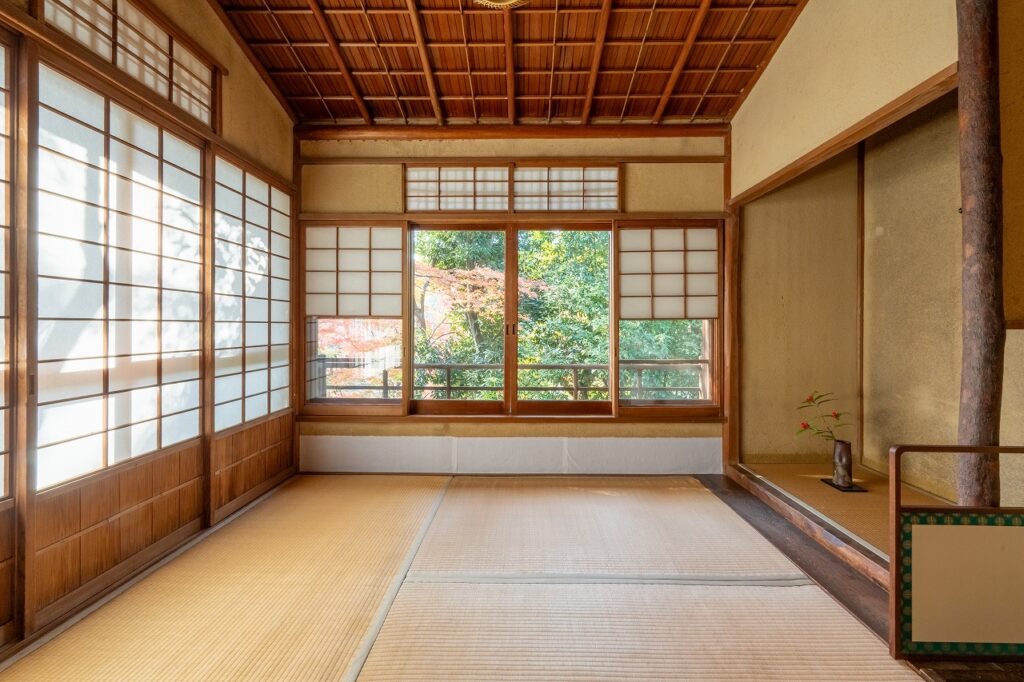
The venue, Tōka-an, is a sukiya-style home (a refined Japanese architectural tradition rooted in the aesthetics of the tea ceremony) built in 1947, in the immediate aftermath of World War II, as an evacuation residence for a wealthy Osaka family.
It was designed by Masaya Hirata, one of the most celebrated architects in the sukiya tradition, and it is said that the master carpenter who helped build the Katsura Imperial Villa was also involved in its construction.
At the time, three identical structures were built. One has since been relocated to Hokkaido, but the Tōka-an that remains in Uji has been quietly and faithfully tended by the family for roughly forty years, preserving its original character to this day.
Every floor is laid with tatami, and simply being within the stillness of this purely Japanese home — now rare in the modern world — brings with it a sense of calm that feels somehow deeply nostalgic and profoundly grounding.
From the small tearoom, the Uji River comes into view, and the changing of the seasons can be felt close at hand.
That a tearoom was built and maintained even amid the hardships of wartime speaks to the aesthetic sensibility and spiritual depth of those who refused to let Japanese culture slip away.
Tōka-an is not simply an old house. It is a place where guests can feel the enduring spirit of Japanese architecture, passed down across the ages.
Feature 02: Maiko & Geiko
Another defining quality of Tōka-an is that the tea practice and experience are guided by a former maiko (geisha apprentice) and geiko (full-fledged geisha).
A maiko is a young woman in training in one of Kyoto’s hanamachi — the historic geisha districts — who appears at ozashiki (private dining gatherings) while studying the traditional arts.
Through daily practice, she gradually internalizes the full breadth of Japanese tradition: dance, song, refined movement, and the art of hospitality.
Each movement carries its own meaning, and within the stillness, beauty resides.
Through the sensibility cultivated in that world, guests can experience not only the etiquette of matcha, but the depth of Japanese culture itself — and the quiet atmosphere that fills the room.
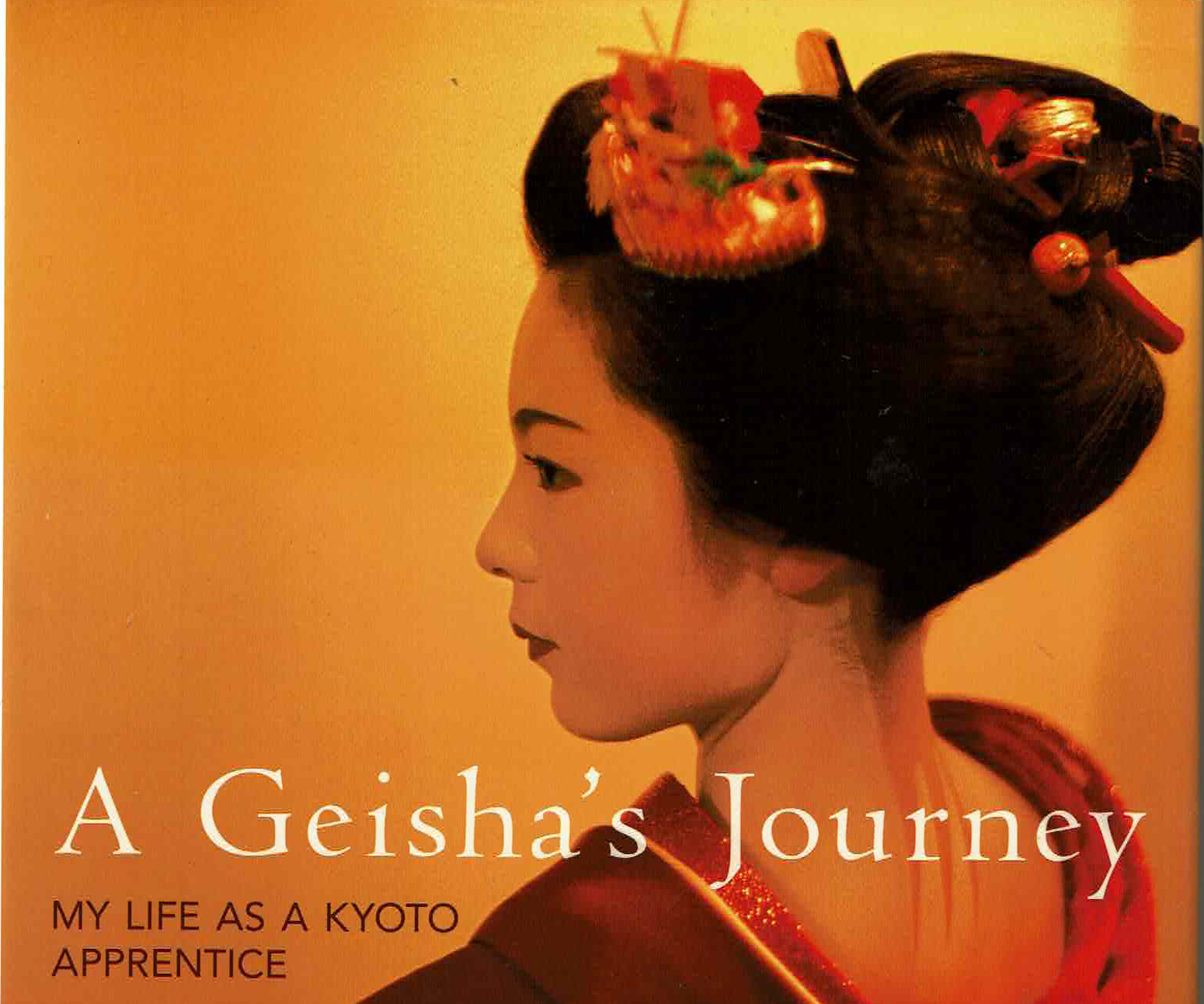
At Tōka-an, guests are also welcome to browse an English-language photo book documenting the host’s own years as a maiko and geiko.
Through photographs and text, it captures the everyday life and seasons of the hanamachi, the world of maiko and geiko, and the culture that shapes it — offering a rare glimpse into a world most people never have the chance to know.
Please do take your time to explore it.
A Message from the Host
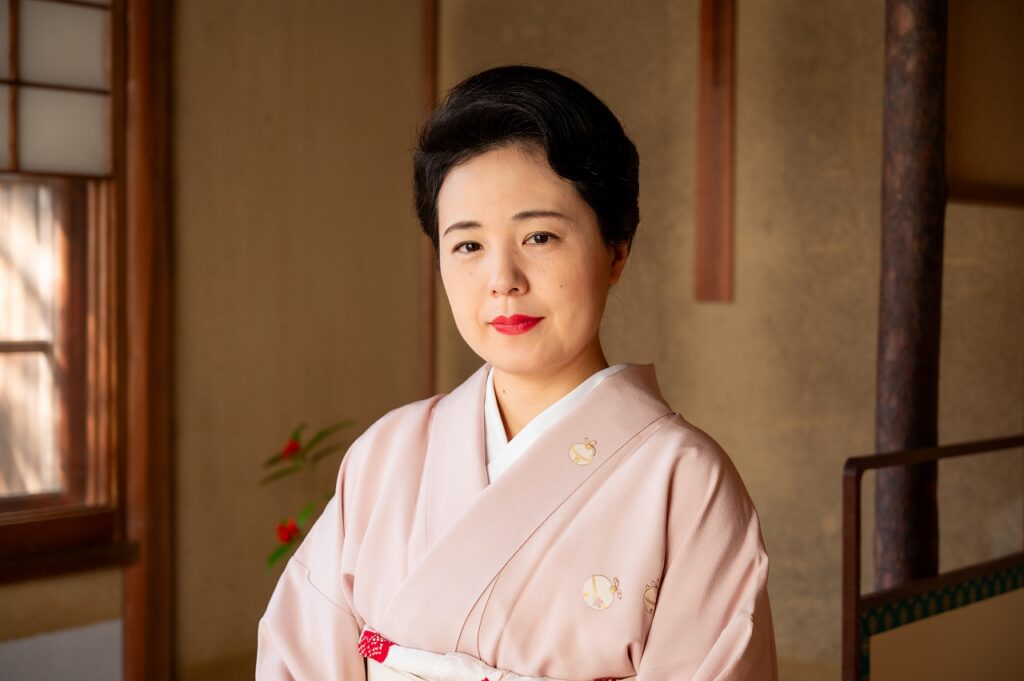
I was born in Mexico and raised by parents who, from an early age, instilled in me a strong sense of Japanese identity. I was a child who adored kimono. During my student years, I lived in Beijing, navigating life among different cultures — and it was within that environment that I found myself drawn more deeply than ever to the richness of Japan.
Seeing Japan from the outside, I was struck deeply by the beauty and spiritual depth of its culture. I had long admired the world of maiko and geiko, and after my years in Beijing, I made my way to Kyoto. There, in Miyagawachō, one of Kyoto’s historic geisha districts, I spent more than ten years living as a maiko and geiko.
A life attuned to the turning of the seasons. The heart of hospitality. The ways of Japan, learned not from books but through the body. Those years became an irreplaceable education in the true richness of Japanese culture.
After marrying and settling in Uji, and becoming a mother, I began to hope that my daughter, too, would grow up with the texture of Japanese culture close to her. It was from that wish that I opened Tōka-an — a small place where stillness can be shared.
The name Tōka-an comes from my geiko name, Komomo (小桃 — “little peach”). There is no peach tree in the garden, but the name holds a wish: that this place might welcome each guest like a small peach blossom, and offer them a moment of quiet warmth.